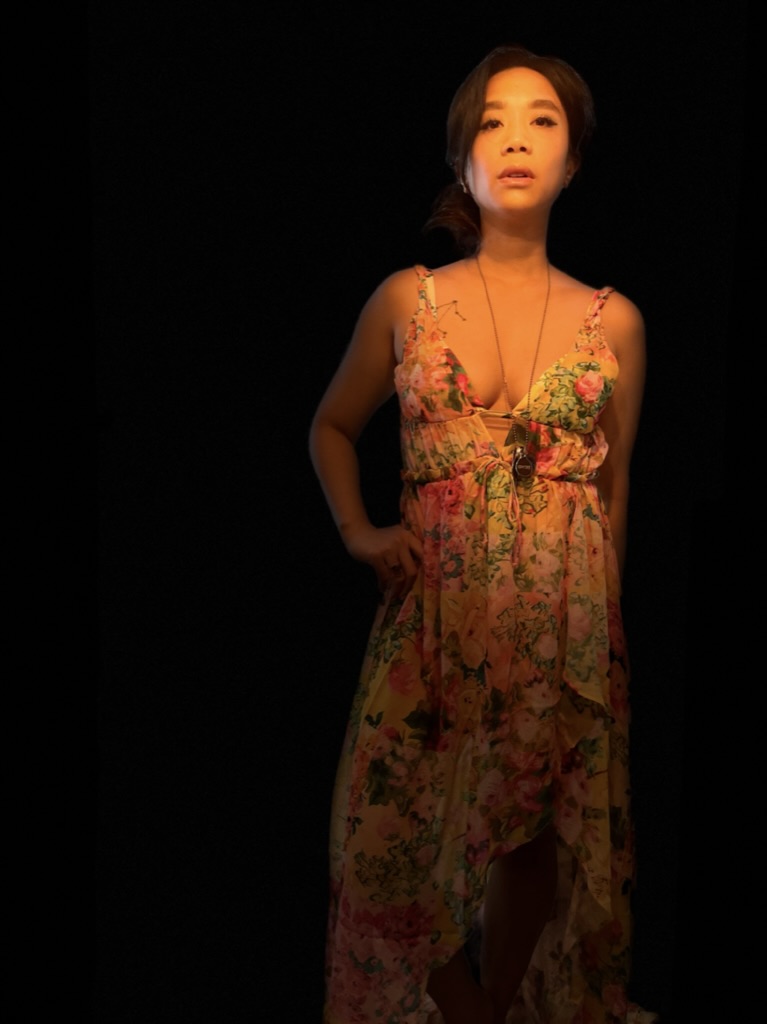
we are responsible for our worldviews — the way we relate with the world.
our culture doesn’t identify core issues and problems — we treat the symptoms, but we don’t treat the root cause. that isn’t true healing. temporary/topical solutions yield shitty results that are often not discovered until much later in life — when the original issue/problem/wound can no longer be hidden and may further complicate healing.
i feel so limited in my professional world, but it’s perfect because i grew up incredibly conditioned to adapt to “the norm” — making myself small or being quiet to make others feel more comfortable… essentially avoiding confrontation. how libra.
however… excuses are a pet peeve of mine. these come in the form of justifications and rationalizations. let me provide a better word for these: avoidance. the amount of energy it takes for me to keep my mouth shut — i swear, it feels like i die a little each time, but in reality, it’s the one giving excuses that furthers disconnect from the self. ambiguity in language, too, perhaps is a way to circumvent consent. it’s a very “life is happening to me” stance (also known as victim mentality, playing the martyr…) what parts of yourself are you hiding from others? what parts of yourself are you not making contact with?
why is it so challenging to put everything on the table — to be completely real, raw, authentic, uncensored — especially in interpersonal relationships? excuses, rationalizations, and justifications only serve the ego and insecurities. left unaware and unattended to, these insecurities and the ego become impediments in changing the trajectory of our lives. sure, we can live in a fantasy world where we think the story we’re writing is filled with magic, but in reality, our lives haven’t changed, or ::gasp:: we’re living a lie.
in every story, there is a hero and a villain.
adrian iliopoulos
in your story, you are both.
all the bright aspects and all the dark aspects of your persona orchestrate the melody of your song.
a song that you need to hear first, before anyone else.
but in order to hear it, you have to learn to listen.
to listen not only to what you want but also to what you are afraid of.
your fears and your darkness aren’t detached from you. do not eschew them.
face them, analyze them, internalize them.
the shadow is always there and it will always be.
but the shadow can look big or it can look small, depending on the angle from which the light caresses you.
what is the size of your shadow?
let me offer a different perspective on integration: when we are triggered, our psyches are screaming for what needs attention — what can no longer be repressed or ignored. [ouch. shitty experience? what is this showing me about where i need to heal? why am i so affected, offended, insulted, hurt?] these are crucial parts of ourselves that we need to interact with; otherwise, we continue to live in fragmented, compartmentalized states.
time is our most valuable nonrenewable resource. one of the saddest moments i experienced was witnessing my father reflecting on his life in hindsight, realizing he could have been happy instead of being resentful towards god and everyone else around him — when he only had weeks left to live. he could have had a completely different life if he wasn’t concerned about living up to others’ expectations of him. instead, his chronic people-pleasing and repressed desires and needs kept him from experiencing true joy.
a beautiful life is not one where you avoid these things. it’s where eventually you begin to seek these things.
naftali moses
learn to look for what parts of yourself are hidden in the shadow. train your eyes to see. then shine some light on them.
 domina tsarina
Leave a comment